
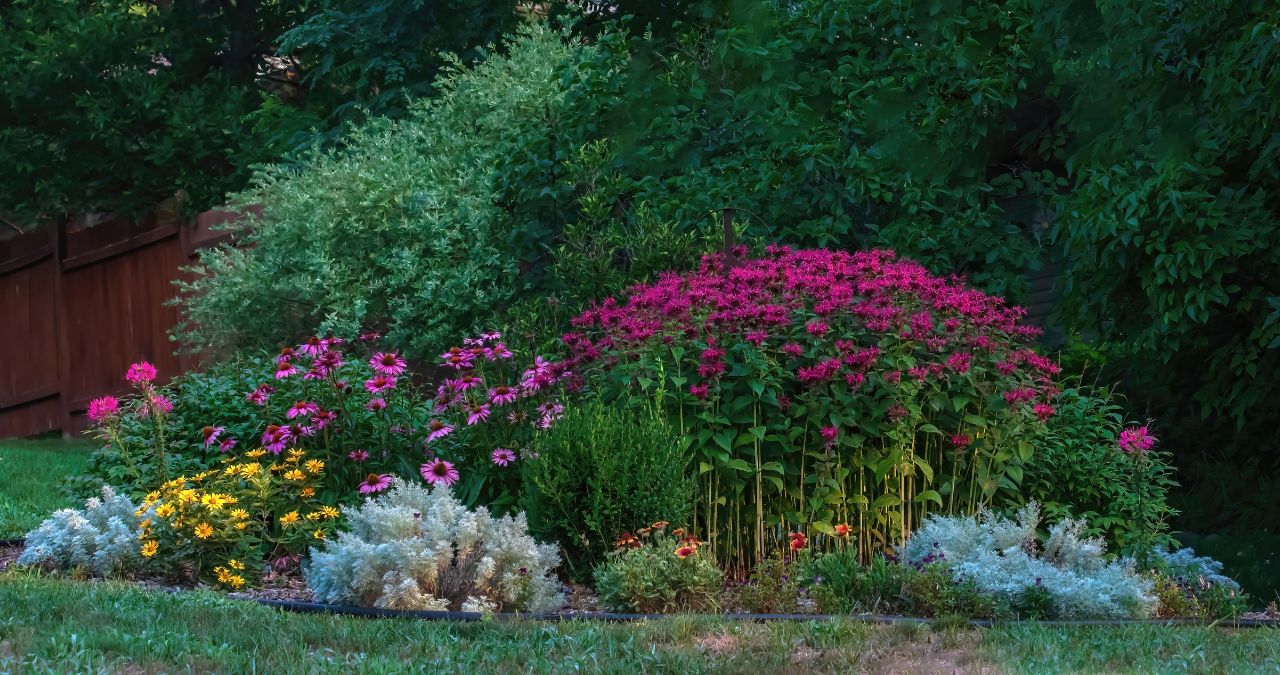
You don’t have to own a sprawling prairie or wear a floppy hat year-round to create a pollinator paradise in your Nebraska yard. Even a tiny corner of your garden can turn into a buzzing, fluttering hotspot for bees, butterflies, and all those little winged MVPs that keep our food chain from collapsing. Sound dramatic? It kind of is—Ready to be the hero your neighborhood bees didn’t know they needed? Let’s get your pollinator-friendly garden buzzing.
How to Create a Pollinator-Friendly Garden in Nebraska
A Pollinator-Friendly Garden Starts with the Dirt
Nebraska soil has a range. You might have rich, dark earth that makes tomatoes grow like weeds, or your backyard might be a dusty sandbox that laughs at compost. Don’t just plant stuff and hope it survives—get your hands dirty—Literally.
Grab a clump and squish it. If it falls apart like dry cake, mix in compost or aged manure. You’re building a microbiome buffet, and the foundation needs to hold up the whole party.
Skip the chemical fertilizers while you’re at it. Bumble bees and other pollinators don’t love a garden that’s a synthetic science experiment.
Think Like You’re Hosting a Bee Block Party
Pollinators want a playlist, not a one-hit wonder. Don’t plant all your flowers for one season and call it a day. You want something blooming from early spring till fall’s last dance.
Native Nebraska wildflowers are ideal for creating a pollinator-friendly garden. Planting native flowering plants in your pollinator habitat ensures monarch butterflies and other insects have a food source.
Native pollinators include:
- Coneflowers
- Milkweed
- Black-eyed Susan
- Goldenrod
- Blazing Star
These native plants are attuned to the rhythm of the seasons. They don’t just look good—they feed the bees and butterflies, too.
Toss in some variety. Different shapes, sizes, and colors attract different guests. You’re not just feeding honeybees—you’re throwing a pollinator block party.
Give Them a Spa Day
Pollinators aren’t all about getting to that sweet, sweet nectar. Sometimes they just need a place to hang out and relax for a second. Here are some ways you can support pollinator conservation in your own yard.
- Bare patches of dirt let ground-nesting bees burrow
- Old logs or broken branches? It’s a hotel for native bees
- Got a rock? Butterflies will sunbathe like it’s Miami Beach
- Add a shallow water source, like a dish with pebbles in it. They’ll land, sip, and be on their merry way.
Don’t drown them in birdbath oceans—think puddle, not pool party.
Skip the Fancy Chemicals
You might be tempted to wage war on aphids or dandelions with your favorite bottle of spray-and-pray. Resist the urge. Those chemicals don’t distinguish between pests and pollinators. Even products labeled as “natural” can cause issues.
If you’re dealing with a bug problem, try companion planting or hand-picking first. It’s not an immediate solution, but your winged visitors will thank you by showing up in bigger numbers.
Ditch the Lawn Obsession and Create A Pollinator-Friendly Garden Instead
Your grass doesn’t feed anything. Mowing it into a stripey masterpiece doesn’t count as ecological stewardship. Let part of it grow wild and mix in clover or wildflower seeds.
Give the mower a weekend off and let the bees move in. Your neighbors might raise an eyebrow, but the butterflies won’t.
Be Weird—Be Wild
There’s no rulebook saying your garden has to look like a magazine cover. Let it get a little messy. Let things reseed and the unexpected take root—Pollinators love that.
They’re not judging your mulch placement or debating your plant spacing. They just want blooms, safety, and snacks.
Land Management for Pollinators
Planting a pollinator garden means you’re doing your part in land management for pollinators. Habitat loss affects all creatures and their food sources.
By planting native pollinator plants, you can help:
- Provide a food and water source
- Create safe nesting and overwintering locations
- Support local ecosystems and the environment
Antler Country Landscaping Omaha
Antler Country Landscaping was incorporated in 1997 and over the years has grown to offer professional landscape services, lawn care, and outdoor living spaces. Our mission is to enhance your outdoor experience. Contact us to learn more about our Omaha landscaping services.