
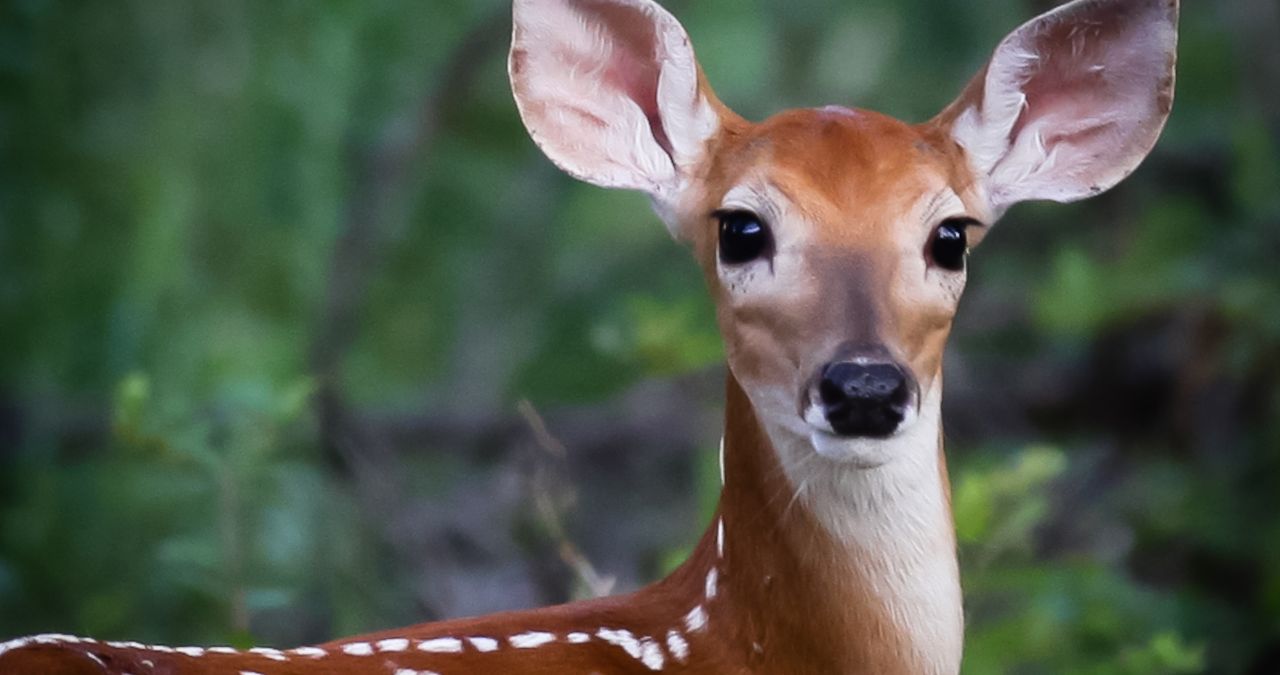
Creating a landscaping for wildlife plan starts with choosing the right plants and landscape features. Fruit trees like apples and cherries provide sweet, natural food sources that attract deer. Adding windbreaks and edge habitats offers shelter and safe passage, encouraging deer to visit and stay in the area.
Landscaping with plants that deer prefer, such as native shrubs and trees, helps create a welcoming environment that supports their needs for food, safety, and cover. This not only benefits deer but also supports other wildlife species by offering diverse habitats.
By combining careful plant selection and thoughtful landscape design, anyone can build a space where deer and other wildlife can thrive. They can watch nature up close while helping maintain a balanced environment.
Landscaping for Wildlife: Creating Deer-Friendly Habitats
Understanding Deer-Friendly Landscaping
A successful deer-friendly landscape depends on knowing what deer like and need. It also requires balancing the benefits to wildlife with the challenges deer can bring to gardens. Thoughtful choices in plants and structures can create a habitat that supports deer while protecting your property.
Deer Behavior and Habitat Preferences
Deer favor areas with a mix of open space and shelter. They often browse on fruit trees, shrubs, and native plants near edges where forests meet fields. Deer prefer plants with soft leaves and fruits, such as apples and cherries.
As crepuscular animals, deer are most active near dawn and dusk. They use dense shrubs and windbreaks to shield themselves from predators and bad weather. Understanding these behaviors helps shape smarter approaches to wildlife landscaping.
Benefits of Supporting Local Wildlife
Creating a habitat that welcomes deer can improve local biodiversity. As deer feed, they spread seeds from fruit trees and other plants, boosting natural growth and supporting other wildlife species such as birds and small mammals.
Deer-friendly landscaping can also enrich outdoor experiences. Watching deer in a natural setting creates a connection to wildlife. It supports conservation efforts by providing safe spaces where deer populations can thrive without moving into dangerous or urban areas.
Challenges in Landscaping for Deer
One main challenge in landscaping for wildlife is preventing deer from eating prized plants and crops. Because deer have varied tastes, some plants must be protected or replaced with deer-resistant options. Using plants with rough or spiny leaves helps reduce damage.
Another difficulty is balancing deer access with property management. Deer can trample young food plots or gardens if habitats are too close to sensitive areas. Proper planning, such as placing windbreaks and planting in layers, helps manage deer movement and protect the land.
Selecting Plants for Deer Attraction
Choosing the right plants plays a major role in landscaping for wildlife, helping create a habitat that consistently draws deer. Fruit trees offer sweet nourishment, while certain shrubs and herbaceous plants provide appealing browse. Selecting species with varied blooming and fruiting times ensures food is available through different seasons.
Native Fruit Trees That Appeal to Deer
Deer favor several native fruit trees because they offer sweet, nutritious food. Apple and fig trees are among the most attractive. Apples drop to the ground, providing easy feeding spots. Figs produce fruit that deer find highly palatable.
Other good options include crabapple and serviceberry trees. These trees thrive in many climates and can grow well with moderate care. They also offer shelter and cover in addition to food.
Plant trees in well-drained soil and give enough space for growth. Healthy fruit trees produce more food, which better attracts deer year after year.
Herbaceous Plants and Shrubs Deer Favor
Deer often browse on low-growing plants like clovers, goldenrod, and asters. These herbaceous plants are rich in nutrients and easy for deer to reach. Shrubs such as sumac, spicebush, and elderberry also attract deer by offering edible foliage and berries.
A mix of shrubs and flowering plants provides both cover and food. This variety encourages deer to stay in the area longer. It also supports other wildlife by creating a diverse habitat.
To maximize attraction, use a mix of native species suited to the local environment. Regular maintenance, like pruning, helps keep plants healthy and appealing.
Seasonal Food Sources
Food availability changes throughout the year. Deer rely on different plants depending on the season. Spring and summer offer tender green shoots, clover, and flowering plants. In the fall, fruit from trees like apples and pears becomes important. Winter food includes woody plants, buds, and evergreen shrubs.
Planning a garden with staggered blooming and fruiting seasons ensures deer have food year-round. It also minimizes damage to single plant species by spreading browsing pressure.
Adding evergreen shrubs and trees provides shelter and food during harsh winter months. This helps keep deer healthy and encourages them to return regularly.
Designing Effective Wildlife Habitats
Creating a habitat that supports deer involves careful planning of plant placement, protection from harsh weather, and providing food and shelter. Using wind breaks, edge habitats, and water or shelter sources can make an area inviting and safe for deer.
Establishing Wind Breaks
Wind breaks help protect deer from cold winds and harsh weather. Rows of dense trees or shrubs placed on the side where the wind usually comes from reduce the impact of cold gusts. Evergreens like pine, cedar, or fir work well because they keep their leaves year-round.
A good windbreak should be at least three rows thick to provide solid cover. Taller trees in the back, shorter shrubs in front, and some open space between rows create a layered effect that blocks wind and offers shelter.
Besides protection, windbreaks can provide food. Certain berry-producing shrubs or fruit trees also act as wind barriers, giving deer both security and nutrition in winter.
Creating Edge Habitats
Edge habitats form where two different ecosystems meet, such as a forest and a meadow. These areas are rich in food and cover, making them ideal for deer. Planting fruit trees, berry bushes, and mixed grasses near forest edges encourages deer to feed and move safely.
Edges should include plants that produce leaves and fruits deer prefer, like oaks, maples, or apple trees. Tall grasses and shrubs offer hiding spots from predators.
Creating varied layers of plants supports not just deer but also other wildlife. The mix of open space and dense cover invites deer to browse while feeling protected.
Water Sources and Shelter Options
Water is essential for deer survival. Small water sources like shallow ponds, birdbaths, or rain gardens support their hydration needs. Reliable water is vital, and small ponds or rain gardens near cover work well. Placing these near shrubs or wooded edges encourages deer to visit while staying hidden.
Shelter options should include dense shrubs, wood piles, brush piles, and fallen logs. These features create hiding spaces for multiple species while offering protection from predators and harsh weather. Adding nest boxes in nearby trees further enriches local ecology, supporting birds while maintaining a diverse habitat that complements deer needs.
Providing cover close to food and water helps deer conserve energy while staying safe. Shelter areas also lend a quiet space for resting during the day.
Managing a Balanced Deer-Friendly Landscape
Creating a deer-friendly landscape requires careful planning and ongoing care. It involves meeting the needs of deer while maintaining plant diversity and preventing damage. Proper maintenance and careful observation help keep the habitat healthy and functional over time.
Balancing Biodiversity with Deer Needs
A balanced deer-friendly landscape supports many types of plants and animals, not just deer. Including native fruit trees, shrubs, and edge habitats offers deer food and cover while attracting other wildlife like birds and pollinators.
Plant diversity matters. Some deer-preferred plants provide nutrition, but including species deer avoid can protect sensitive areas. Wind breaks can create shelter and reduce deer impact on delicate plants.
Using a mix of flowering plants, native grasses, and woody plants helps keep the ecosystem stable. This balance prevents deer from over-browsing any one plant type while still meeting their needs.
Sustainable Maintenance Practices
Regular care protects both plants and wildlife. Mulching around trees and shrubs keeps soil moist and healthy. Pruning woody plants in winter encourages strong growth without disturbing wildlife during sensitive times.
Limiting pesticide and chemical use benefits deer and other animals that visit the landscape. Instead, natural pest control methods support a healthier environment.
A key practice is avoiding over-manicuring. Too much trimming or clearing can reduce habitat value and stress local wildlife. Maintaining varied plant heights and densities supports shelter and feeding areas.
Monitoring and Adjusting Habitat Features
Landscapes change over time, so regular monitoring is essential. Observing deer activity and plant health helps identify which areas need adjustment.
If plants show signs of over-browsing, adding more deer-resistant species or physical barriers can reduce damage. Triggers for change may include too much deer pressure on fruit trees or loss of groundcover.
Tracking seasonal shifts ensures the habitat stays balanced and continues to support deer and other wildlife species effectively.
For those interested in recreation, deer hunting can also be integrated into well-managed landscaping for wildlife areas. Properly maintained habitats with food plots and shelter features not only attract deer but also support population management through responsible hunting practices.
Antler Country Landscaping Omaha
Antler Country Landscaping was incorporated in 1997 and, over the years, has grown to offer professional landscape services, lawn care, and outdoor living spaces. Our mission is to enhance your outdoor experience. Contact us to learn more about our Omaha landscaping services.