
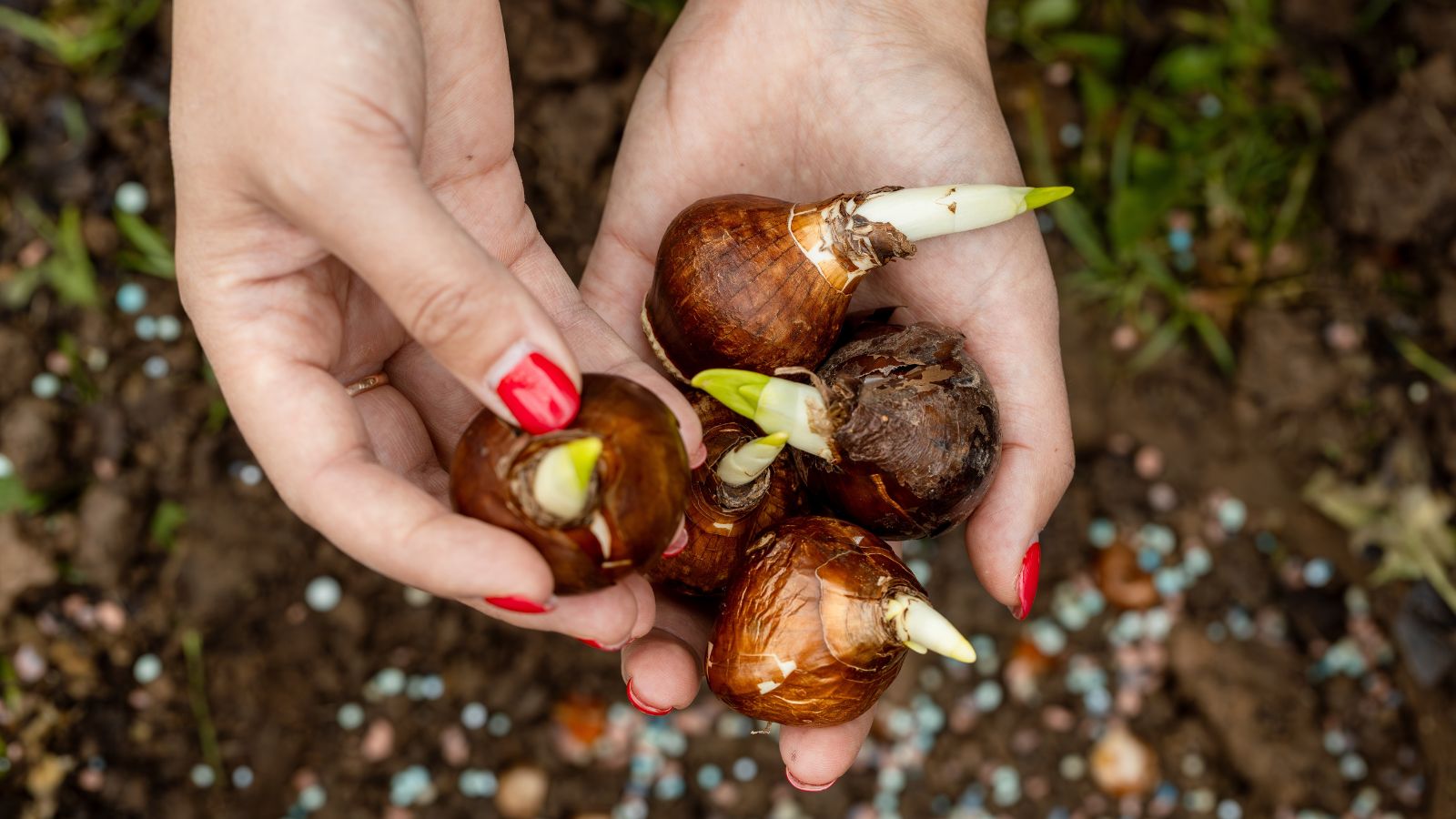
Planting flower bulbs in the fall sets the stage for a colorful spring garden. Many bulbs, like tulips, daffodils, and crocus, need to be planted six to eight weeks before the first frost for the best blooms. Fall bulb planting and storage are a vital step in creating a garden that thrives as the ground freezes and temperatures drop. Fall is the ideal time to plant bulbs because the cooler soil helps them develop roots before winter
Proper planting depth and soil preparation are key to healthy flowers. Bulbs do best in well-draining soil with enough sun, usually planted about three times their height deep. After blooming, some bulbs need to be dug up and stored to keep them healthy for the next season.
Knowing how to dig up and store bulbs extends their life and ensures good growth year after year. This guide will cover both how to plant bulbs properly in the fall and how to care for them after spring blooms fade. Proper understanding of fall bulb planting and storage practices will maximize garden health all year.
Fall Bulb Guide: Planting for Spring and Digging Up and Storing
Choosing and Preparing Fall Bulbs
Proper selection and preparation of fall bulbs are key to ensuring healthy and vibrant blooms in spring. This process includes picking bulbs suitable for the climate and garden conditions, checking their quality, and preparing the soil to support strong growth.
Selecting the Best Bulbs for Spring Blooms
Choosing the right bulbs starts with knowing which flowers grow well in the local climate zone. Common fall-planted bulbs include tulips, daffodils, hyacinths, and crocuses. Each type of bulb has different bloom times, so selecting a mix can extend flowering.
Bulbs should be firm and plump without signs of damage, mold, or softness. Larger bulbs often produce bigger flowers. It is also important to choose bulbs that are appropriate for the garden’s sunlight levels. Most bulbs perform best in full sun or partial shade.
Inspecting and Storing Bulbs Before Planting
Before planting, bulbs need careful inspection to avoid disease. Diseased or rotten bulbs should be discarded. Healthy true bulbs are dry but not shriveled. If planting is delayed, bulbs must be stored properly.
The ideal storage environment is cool (around 50°F or 10°C), dark, and dry. Good air circulation prevents mold growth. Avoid places that are too warm or humid, like heated basements or sealed plastic bags.
Soil Preparation for Optimal Growth
Preparing the soil is vital for bulb health. The soil should be well-drained to prevent water from pooling, as bulbs can rot in soggy ground. Adding organic matter like compost improves drainage and soil fertility.
Loosen the soil to a depth of at least 8 inches. Bulbs need space for roots to grow. Testing the soil pH can help; most bulbs thrive in soil with a pH between 6 and 7. Adjust soil conditions as needed before planting.
Planting Fall Bulbs for Spring Flowers
Successful spring blooms start with careful fall planting. Choosing the right time, setting bulbs at the proper depth and spacing, and applying the right watering and mulching methods all play essential roles. These steps ensure healthy roots and vibrant flowers.
Ideal Timing for Planting Bulbs
Bulbs must be planted 6 to 8 weeks before the first expected frost in the area. This gives them enough time to develop roots before winter. Planting too early can lead to rot, while planting too late may prevent roots from establishing.
Timing varies by region. In warmer zones, bulbs are usually planted in late September to October. In colder zones, planting may occur as late as November. Gardeners should watch local frost dates and start digging when the soil temperature is around 60°F (15°C) or cooler.
Proper Planting Depth and Spacing
Bulbs should be planted about three times as deep as the height of the bulb. For example, a 2-inch bulb goes 6 inches deep. This helps protect them from cold and pests.
Spacing depends on the bulb type and desired garden effect. For individual bulbs, leave about 3 to 6 inches apart. For a natural look or mass planting, bulbs can be placed more closely, often in trenches 8 inches deep.
Plant the bulbs with the pointed end facing up. Mark the spots after planting to avoid disturbing them later.
Watering and Mulching Techniques
After planting, bulbs need a thorough watering to settle the soil and start root growth. Water deeply once, then only if the fall is dry. Overwatering can cause bulbs to rot.
Apply a 2 to 3-inch layer of mulch, such as shredded leaves or bark. Mulch keeps soil temperature stable and conserves moisture. It also prevents weeds from growing near the bulbs.
In areas with harsh winters, mulch helps protect bulbs from freezing and thawing cycles that can damage roots. Remove mulch in early spring to allow shoots to grow freely.
Digging Up and Storing Bulbs After Bloom
Proper timing, handling, and storage of bulbs after blooming help ensure they survive the dormant season and flower again next spring. The process involves lifting bulbs at the right moment, cleaning and drying them carefully, and storing them in suitable conditions to prevent rot and damage.
When and How to Lift Bulbs
Bulbs should be dug up after the foliage has fully yellowed and died back. This signals the bulb has stored enough energy for next year. Typically, this occurs in late spring or early summer, depending on the plant.
Use a garden fork or trowel to gently loosen soil around the bulb. Lift bulbs carefully to avoid damaging the outer skin. Shake off excess dirt, but do not wash bulbs with water. If bulbs clump together, separate them gently.
Hardy bulbs like daffodils often do not need lifting and can stay in the soil. Tender bulbs such as dahlias and gladioli must be dug up before frost to survive winter indoors. This is a core step in fall bulb planting and storage.
Cleaning and Drying Bulbs
After lifting, bulbs should be cleaned by removing loose soil and dead leaves. Avoid scrubbing, which can harm the bulb’s outer layers.
Place bulbs in a well-ventilated, shaded area to dry. Drying usually takes 1 to 2 weeks. This process helps prevent mold and rot during storage.
If bulbs have roots attached, trim them short to stop moisture loss. Check bulbs regularly during drying for any signs of softness or mold, and discard affected ones to protect healthy small bulbs.
Safe Storage Methods for Dormancy
Store bulbs in a cool, dry place with temperatures between 40°F and 60°F (4°C to 15°C). High humidity or warmth can cause bulbs to rot or sprout prematurely.
Use breathable containers like mesh bags, paper bags, or cardboard boxes. Avoid plastic bags, as they trap moisture.
Place dry peat moss, vermiculite, or sawdust around bulbs to absorb excess moisture. Check bulbs every few weeks for softness or mold and remove any damaged bulbs immediately to prevent spread. Protecting bulbs from extreme cold, as the ground freezes, is crucial for fall bulb planting and storage.
Frequently Asked Questions
What are the best perennial bulbs to plant in the fall for a vibrant spring bloom?
Tulips, daffodils, hyacinths, and alliums are popular perennial bulbs for fall planting. These bulbs handle cold winters and bloom reliably in spring. Choosing bulbs suited to the local climate improves success.
What are the correct steps for digging up and replanting bulbs after they bloom?
Wait until the foliage turns yellow and dies back naturally. Carefully dig up the bulbs to avoid damage. Clean off excess soil and remove any dead material. Store them in a cool, dry place until replanting in the fall.
What is the proper way to store bulbs in the refrigerator to ensure they remain viable?
Place bulbs in a paper bag or a mesh container for airflow. Keep them in a refrigerator section without fruits, as ethylene gas from fruit can harm bulbs. Maintain a temperature of around 35-45°F with low humidity.
How long can bulbs be kept unplanted before they lose their viability?
Most bulbs stay viable for several months if stored properly. Usually, bulbs can be kept for up to six months. Prolonged storage without proper conditions may reduce their ability to sprout.
Are there any bulbs that can be successfully planted in the spring, the same year they flower?
Some bulbs, like dahlias and calla lilies, can be planted in spring and bloom the same year. However, most spring-flowering bulbs planted in spring will bloom the following year instead.
What is an ideal bulb planting chart to follow for optimal blooming timing?
Plant most spring-flowering bulbs in the fall, about 6-8 weeks before the first hard frost. Bulbs like tulips and daffodils need chilling periods, so fall planting helps them bloom in early spring. Follow zone-specific guides for precise planting dates. By following fall bulb planting and storage methods, gardeners increase their chances for vibrant and reliable blooms season after season.
Antler Country Landscaping Omaha
Antler Country Landscaping was incorporated in 1997 and over the years has grown to offer professional landscape services, lawn care, and outdoor living spaces. Our mission is to enhance your outdoor experience. Contact us to learn more about our Omaha landscaping services.