
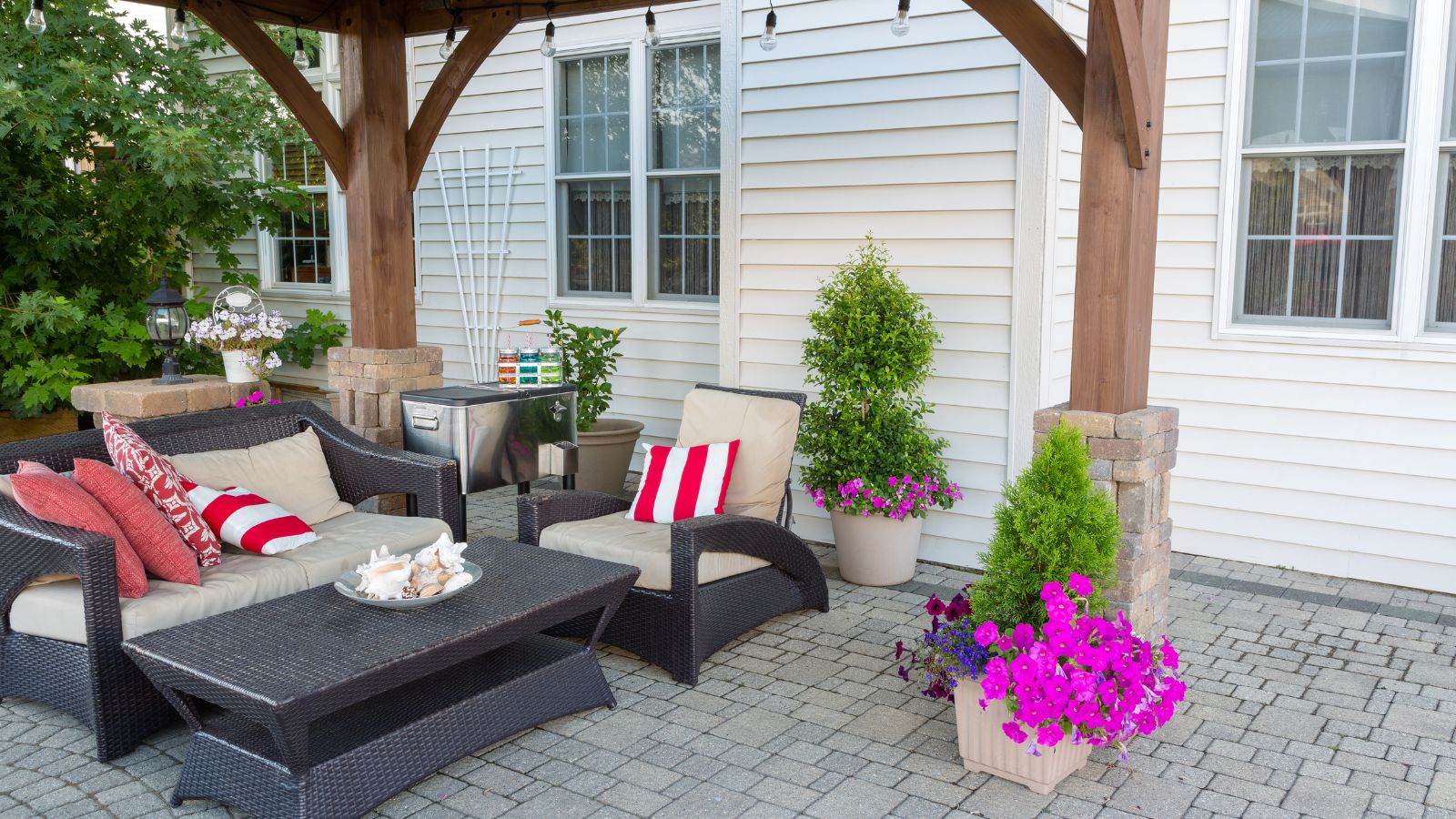
Fall offers ideal conditions for hardscaping projects because the cooler temperatures and lower humidity create a comfortable environment for outdoor construction. These weather factors help materials like concrete set properly, making it easier for workers to complete precise tasks without the summer heat slowing progress. This makes fall the perfect time to start or finish patios, fire pits, retaining walls, and other hardscape features.
In addition to the weather, fall often means less demand for contractors, allowing for better scheduling and faster project completion. Working in the early fall also helps hardscape settle before winter, protecting the structures and extending their lifespan. This timing ensures outdoor spaces are ready for use during autumn gatherings and the colder months that follow, long before the ground freezes.
Fall Hardscaping Projects: Perfect Weather for Outdoor Construction and Lasting Results
Why Fall Is the Ideal Season for Hardscaping Projects
Fall offers cool, steady weather that helps protect materials and speeds up construction. It also allows homeowners to find better availability from landscaping companies and can reduce costs related to labor and materials.
Optimal Weather for Construction
Fall brings mild temperatures that create comfortable working conditions for crews and reduce stress on hardscaping materials. Unlike summer heat, cooler fall weather helps concrete, stone, and brick set and cure properly without cracking or drying too fast.
Lower humidity and fewer rainy days mean there are fewer weather delays. This steady climate also reduces the risk of damage from freeze-thaw cycles, which can harm improperly set hardscape features if installed during unstable weather.
Fall ensures hardscape features settle securely and last longer, giving you lasting results and fewer repairs after winter.
These weather conditions allow most hardscaping projects to proceed smoothly from start to finish, increasing the chance of lasting results. Fall landscaping benefits from this optimal climate.
Improved Contractor Availability
Hardscaping companies face less demand in the fall compared to when spring arrives and summer begins. This means homeowners often find landscaping contractors more available during this time of year.
With more open schedules, crews can focus more time and attention on each project. It also becomes easier to schedule consultations and get faster quotes.
This off-peak season is an excellent time for homeowners to plan and start hardscaping projects without long wait times or competition for skilled crews.
Cost Benefits and Material Savings
Fall projects can lower costs for both labor and materials. Landscaping companies may offer discounts or specials during slower months to attract business.
Materials like concrete and stone can sometimes be cheaper or easier to obtain in the fall because suppliers are not overwhelmed by spring or summer demand.
Costs saved on labor and materials help homeowners stretch their budget further, allowing for higher-quality features or larger projects within the same price range.
Planning and Designing Your Fall Hardscaping Project
Good planning and design ensure a hardscaping project fits the outdoor space perfectly. Key steps include assessing the area, choosing durable materials, and applying solid landscape design principles. These actions help bring your vision to life and create a functional, attractive space that lasts through all seasons. This is also an ideal stage to consider your best landscaping ideas for autumn upgrades.
Assessing Your Outdoor Space
Before starting, a thorough evaluation of the outdoor space is essential. This includes measuring the area to understand how much room is available for walkways, patios, or other hardscape features. It’s also important to note the natural slopes, drainage patterns, and sunlight exposure.
Identifying any existing structures, flower beds, or plants that should remain helps shape the design. Soil type matters too, as it impacts stability for pavers and retaining walls. A clear picture of these factors prevents costly changes later and ensures the project works well with the current landscape.
Selecting the Right Materials
Material choice affects both the look and durability of the hardscape. Pavers, natural stone, and concrete each have benefits depending on the design and climate. For fall projects, consider materials that withstand colder weather and moisture without damage.
Color and texture also play a role in the overall aesthetic. Lighter colors can brighten shaded areas, while rough textures add grip in wet conditions. Materials should match the style of the home and landscape to create a cohesive look.
Incorporating Landscape Design Principles
Successful hardscaping blends function with beauty by following core landscape design rules. Balance is key. Large features like patios should be offset by smaller elements such as garden beds or seating areas.
Lines and shapes guide movement and focus attention. Curved pathways can soften the space, while straight lines create a modern feel. Proportion matters as well; features should fit the scale of the yard.
Using repetition of materials or colors ties the design together. Proper lighting enhances safety and extends usability into cooler fall evenings. Together, these landscaping principles help make the outdoor space inviting and practical.
Top Hardscaping Features to Install in Fall
Fall weather offers cooler temperatures and less humidity, creating ideal conditions for outdoor construction. Hardscaping projects started in this season tend to have better results because materials like stone and concrete set well without extreme heat. Homeowners can improve the look and function of their yards by focusing on durable and inviting outdoor features.
Patios and Outdoor Living Spaces
Patios are a popular hardscaping choice in the fall because the mild weather helps concrete and pavers cure properly. A well-built patio becomes a central outdoor living space for gatherings, meals, and relaxation. During this season, installation is easier due to firm ground and fewer weather interruptions.
Outdoor living spaces often include seating, pathways, and decorative elements that complement the patio area. Using materials like natural stone or brick creates a sturdy surface that holds up through colder months. Adding features like retaining walls or planter boxes can also enhance both function and style without delaying construction.
Fire Pits and Outdoor Kitchens
Fire pits are a great way to extend outdoor time in the fall, providing warmth and a cozy atmosphere. Installing a fire pit in this season ensures it’s ready for use as temperatures drop. Choosing materials like stone or metal improves durability and safety.
Outdoor kitchens add value and convenience, allowing year-round cooking outside. Fall installation allows better material curing and project completion before winter. Components like countertops, grills, and storage should be weather-resistant. Proper layout planning is essential to maximize space and make the kitchen functional for the cooler months.
Enhancing Functionality and Curb Appeal
Fall is an ideal time to add hardscape features that improve both the usability and look of outdoor spaces. Choosing the right materials and designs can create a safer and more attractive yard. Thoughtful placement and quality construction increase property value and enjoyment.
Walkways and Pathways
Walkways made from pavers offer durability and style. They provide clear routes through gardens or yards, improving movement and safety, especially as leaves and wet conditions increase slip risks in the fall.
Pavers come in various shapes, colors, and sizes, making it easy to match a home’s style. Proper installation ensures they withstand cold weather without cracking. Even simple designs add a polished look and guide visitors effectively.
Maintenance for walkways is low, but fall is a good time to check for uneven spots or weeds in joints. Well-kept paths increase curb appeal by framing outdoor spaces and connecting key areas like patios or driveways.
Retaining Walls for Structure and Erosion Control
Retaining walls serve both functional and visual purposes. In the fall, they help prevent soil erosion caused by rain and wind. They also support sloped areas, making space usable and safe.
Materials like natural stone or concrete blocks are commonly used. These choices add texture and character to the yard. Properly built walls can last for many years, withstanding weather changes through colder months.
Retaining walls can be designed to match walkways and other hardscape elements, creating a unified look. By organizing garden beds or terraces, they add depth and dimension. This not only stabilizes the landscape but also boosts curb appeal.
Extending Enjoyment with Lighting and Multi-Season Features
Adding the right lighting and multi-season upgrades can keep outdoor spaces usable and comfortable beyond summer. Well-planned lighting highlights key features and improves safety, while durable features help the space adapt to changing weather.
Outdoor Lighting and Spotlights
Outdoor lighting can transform a yard into a welcoming area once the sun sets. Using soft white or amber LED lights creates a warm glow that matches fall’s natural colors like golden leaves.
Spotlights focus on specific areas, such as paths, seating zones, or landscape highlights. They improve visibility and help prevent trips or falls in low light. Combining string lights, lanterns, and spotlights gives depth and function to outdoor living spaces.
Installing weatherproof fixtures ensures lights stay on through rain and wind. Using timers or smart controls lets owners adjust lighting easily for different activities or moods. Well-designed lighting extends the usable hours of patios, decks, and gardens in cooler seasons.
Weather-Resistant and Multi-Season Upgrades
Weather-resistant features like treated wood pergolas or metal covers protect outdoor rooms from rain or early frost. These structures provide shelter without blocking fresh air or views.
Adding fireplaces, fire pits, or outdoor heaters helps warm the area, making fall evenings pleasant. Seating walls or covered patios strengthen the space for year-round use.
Using durable materials designed for all seasons prevents damage and keeps maintenance low. Multi-season upgrades allow homeowners to enjoy their outdoor living spaces longer, adding value and comfort in various weather conditions.
Maintenance, Protection, and Preparation for Winter
Proper care in the fall can prevent damage to hardscaping during winter. This includes taking steps to reduce the effects of freeze-thaw cycles and preparing the surrounding ground carefully. Protecting hardscape materials helps maintain their strength and appearance through the cold months.
Protecting Hardscaping from Freeze-Thaw Cycles
Freeze-thaw cycles cause water trapped in cracks and pores of hardscape materials to expand when frozen. This expansion can create or worsen cracks. To minimize damage, thorough cleaning is essential. Removing debris and dirt allows sealant to adhere properly.
Applying a high-quality sealant designed for cold weather creates a water-resistant barrier. This limits water absorption and reduces freeze-thaw damage. It’s important to seal patios, walkways, and retaining walls before the first freeze.
Avoid using harsh de-icing chemicals like rock salt, which can erode hardscape surfaces. Instead, use products labeled safe for stone, brick, or concrete. Regularly inspect hardscaping during winter to catch small cracks early.
Mulching and Ground Preparation
Mulching around hardscape borders helps protect soil and plants from freezing temperatures. Mulch acts as insulation, reducing soil heaving caused by freeze-thaw cycles that can shift pavers and stones.
Before applying mulch, clear away weeds and organic debris to prevent mold and pests. Use a layer of 2 to 4 inches of mulch, such as shredded bark or wood chips. Avoid piling mulch directly against hardscape edges to prevent moisture buildup.
Proper grading around hardscape features ensures water runs away from surfaces. This reduces the chance of water pooling and freezing near the hardscape, which otherwise can cause uneven settling and damage over time.
Frequently Asked Questions
What are the best materials to use for hardscaping projects in the fall season?
Stone, brick, and concrete work well in the fall because cooler weather allows them to set and cure without extreme heat. These materials are less likely to crack or weaken when installed during mild temperatures.
How does cooler weather impact the installation process for outdoor hardscaping?
Cooler weather makes outdoor work more comfortable and reduces stress on materials during installation. It also helps prevent problems that can occur when materials dry too quickly or expand in hot weather.
What types of hardscaping projects are most suitable for completion in the fall?
Projects like patios, fire pits, retaining walls, stone steps, and garden edging are good for fall. Fall allows these features to be installed before winter, reducing immediate maintenance needs.
How should one prepare their landscape for a fall hardscaping project?
Clear the area of debris and check the soil condition. Planning helps ensure plants and lawn care are not disturbed close to winter.
What are the advantages of scheduling hardscaping work during the autumn months?
Contractors are often more available, and weather conditions are milder. These factors make the process smoother and can extend the life of the new installation.
How can one ensure their hardscaping will be durable and weather-resistant through winter?
Inspect for cracks or damage before winter to avoid freeze-thaw issues. Using proper drainage and quality materials will protect the hardscape from winter wear.
Antler Country Landscaping Omaha
Antler Country Landscaping was incorporated in 1997 and over the years has grown to offer professional landscape services, lawn care, and outdoor living spaces. Our mission is to enhance your outdoor experience. Contact us to learn more about our Omaha landscaping services.