
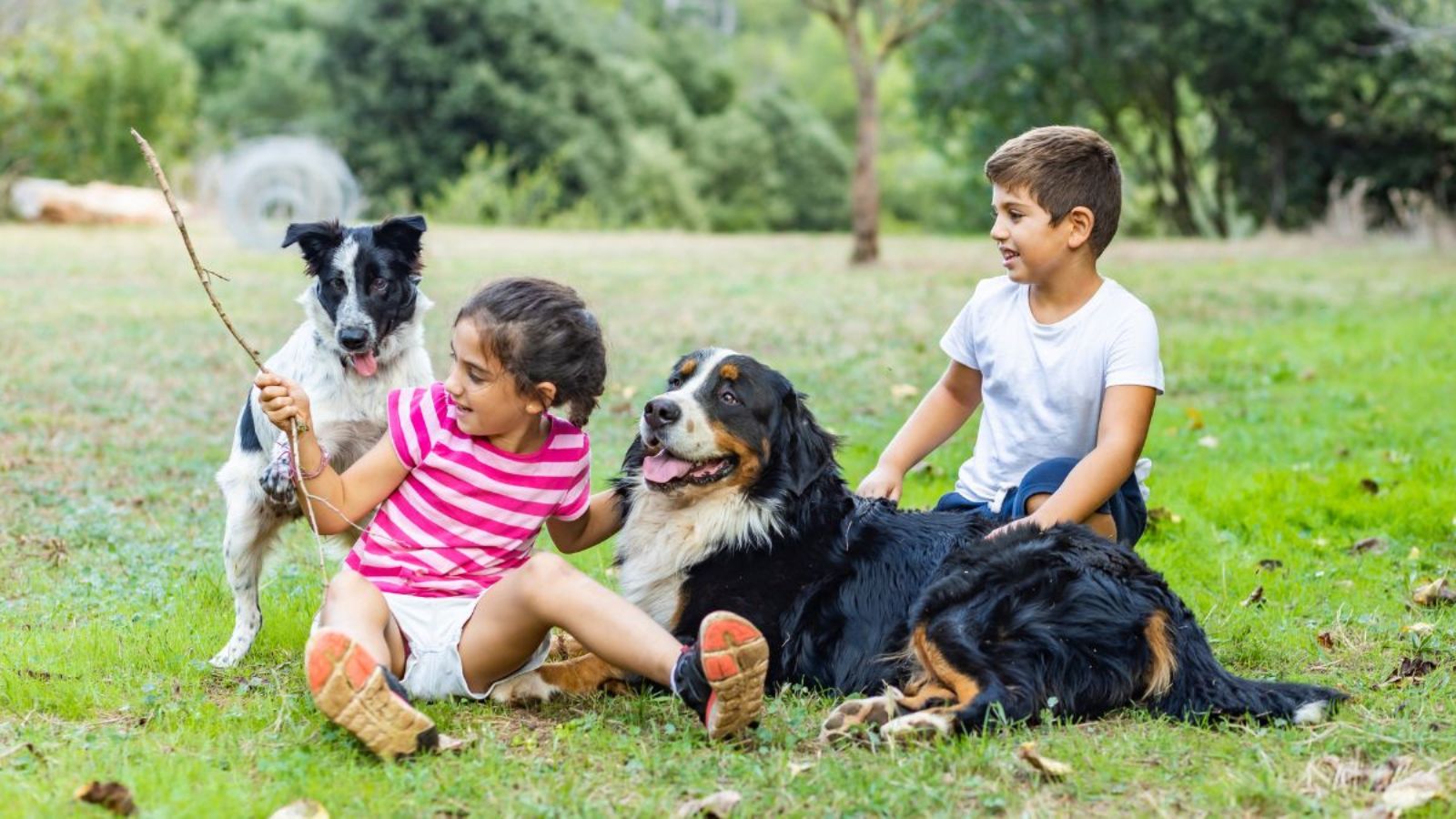
Safe spring landscaping starts with designing a yard where kids, dogs, and plants can all coexist comfortably. With warmer weather inviting more outdoor time, families need spaces that support active play, curious pets, and durable greenery—without constant worry about safety or damage. A well-planned landscape lets children run freely, dogs explore confidently, and plants thrive without becoming hazards.
This guide shares practical spring landscaping ideas that balance fun and function. You’ll find tips for creating designated play zones, choosing pet-safe plants, placing indoor greenery near patios, and selecting surfaces that stand up to daily wear. The goal is a yard that feels welcoming, resilient, and enjoyable for every member of the household.
Kid‑Friendly, Dog‑Approved Landscape Design Fundamentals
Designers should pick pet-safe plants, tough ground covers, and clearly defined play zones to keep cats and dogs safe. Prioritize surfaces that drain well and resist wear, and designate areas for interactive and quiet play.
Following safe spring landscaping principles helps ensure long-term enjoyment for the whole family. It also protects fragile indoor plant collections from curious paws.
Choosing Non-Toxic Plants for Safety
Select plants that pose low risk if chewed or touched. Examples include rosemary, basil, snapdragons, marigolds, and sunflowers. Avoid common toxic species such as oleander, foxglove, sago palm, and certain lilies.
Place edible and safe plants near paths and play areas so children and pets can explore without reaching into beds. Label plants with small signs to remind caregivers which are safe to touch or taste.
Use container plantings for any species that might raise concern. Containers keep roots and drops contained and make it easier to move plants if a child or dog shows interest. Keep mulch and compost covered and choose pet-safe pesticides and fertilizers.
Selecting Durable, Pet-Resistant Ground Covers
Choose surfaces that stand up to running, digging, and frequent cleaning. Options include reinforced turf, pea gravel in small areas, decomposed granite paths, and native clumping grasses for wear tolerance.
For high-traffic zones, use compacted sand or crushed stone under a top layer to improve drainage and reduce mud. In play areas, install rubber tiles or engineered wood fiber for cushioning and easy washing.
Avoid toxic or dusty mulches like cocoa bean mulch; opt for cedar or kiln-dried bark where smell and splinters are less of an issue. Add stepping stones or pavers to guide traffic and protect plant beds from wear.
Planning Safe Play Zones for Kids and Dogs
Designate specific zones for active play, quiet play, and pet needs. Use low fencing, hedges, or raised beds to separate areas and prevent collisions between running dogs and children at play.
Create a digging zone for dogs. This area should have soft sand or loose soil. Owners can hide toys here. This encourages dogs to dig in this spot instead of in flower beds.
For kids, install a soft-surface zone with level access and rounded edges on play equipment.
Place water sources and shade near play zones to keep cats and dogs comfortable. Ensure gates latch securely and sightlines remain clear, so caregivers can monitor activities from the house. Safe spring landscaping layouts make supervising kids and pets easier and keep the yard enjoyable.
Creative Spring Landscaping Ideas for Families with Dogs
This section shows practical ways to add play, rest, and safe movement to a yard. It lists specific features, materials, and layout tips to keep both kids and dogs happy.
Incorporating Interactive Features for Play
Use separate zones for high-energy play and quiet play to reduce conflicts. Install a durable play surface like artificial turf or pea gravel in a 10–20 foot area for running and fetch. Add a low agility course: two weave poles, a short A-frame, and a 3–4 foot tunnel placed along a curved path to keep dogs engaged without taking much space.
Include child-safe elements that double as dog toys, such as large, rounded boulders for climbing and stable wooden platforms for jumping. Keep play items weatherproof and washable. Store balls and tug toys in a covered bin near the play zone to limit scattered toys and tripping hazards.
Add a digging pit filled with soft sand or loose soil. Bury toys or treats to encourage controlled digging, separated from plant beds for protection. Safe spring landscaping encourages balance between active play, pet safety, and plant protection.
Designing Shaded Rest Areas
Place at least one shaded rest spot within 20–30 feet of the house to make it easy to monitor children and pets. Use a mix of deciduous trees (maple, oak) and fast-growing shade trees (hybrid poplar) or a sturdy pergola with a retractable canopy for immediate cover.
Provide durable groundcover under shade: stamped concrete, pavers, or compacted bark work well and resist mud. Add washable outdoor rugs and raised beds or dog cots for comfortable napping. Position water stations on non-slip surfaces and away from direct sun.
Ensure shade structures have rounded corners and secure anchors. Keep hanging plants and low branches out of reach of curious kids and dogs. Regularly check for loose hardware or broken boards.
Organizing Functional Pathways and Fencing
Lay pathways that connect play areas, rest zones, and the house to guide foot and paw traffic. Use wide, 3–4 foot paths of permeable pavers or decomposed granite for good drainage and grip. Curve paths to slow fast runners and to create visual interest.
Choose fencing based on dog size and behavior. For small dogs, use 4–5-foot solid panels or welded wire with a bottom extension to stop digging. For larger dogs, 5–6 foot privacy panels or metal pickets with vertical spacing under 4 inches work best. Gate latches should be childproof but easy for adults to use.
Install low, visual barriers (short hedges or half-walls) near play zones to keep kids in sight without making the yard feel closed off. Add motion-activated lighting along paths and near gates for safety at dusk.
Antler Country Landscaping Omaha
Antler Country Landscaping was incorporated in 1997 and, over the years, has grown to offer professional landscape services, lawn care, and outdoor living spaces. Our mission is to enhance your outdoor experience. Contact us to learn more about our Omaha landscaping services.