
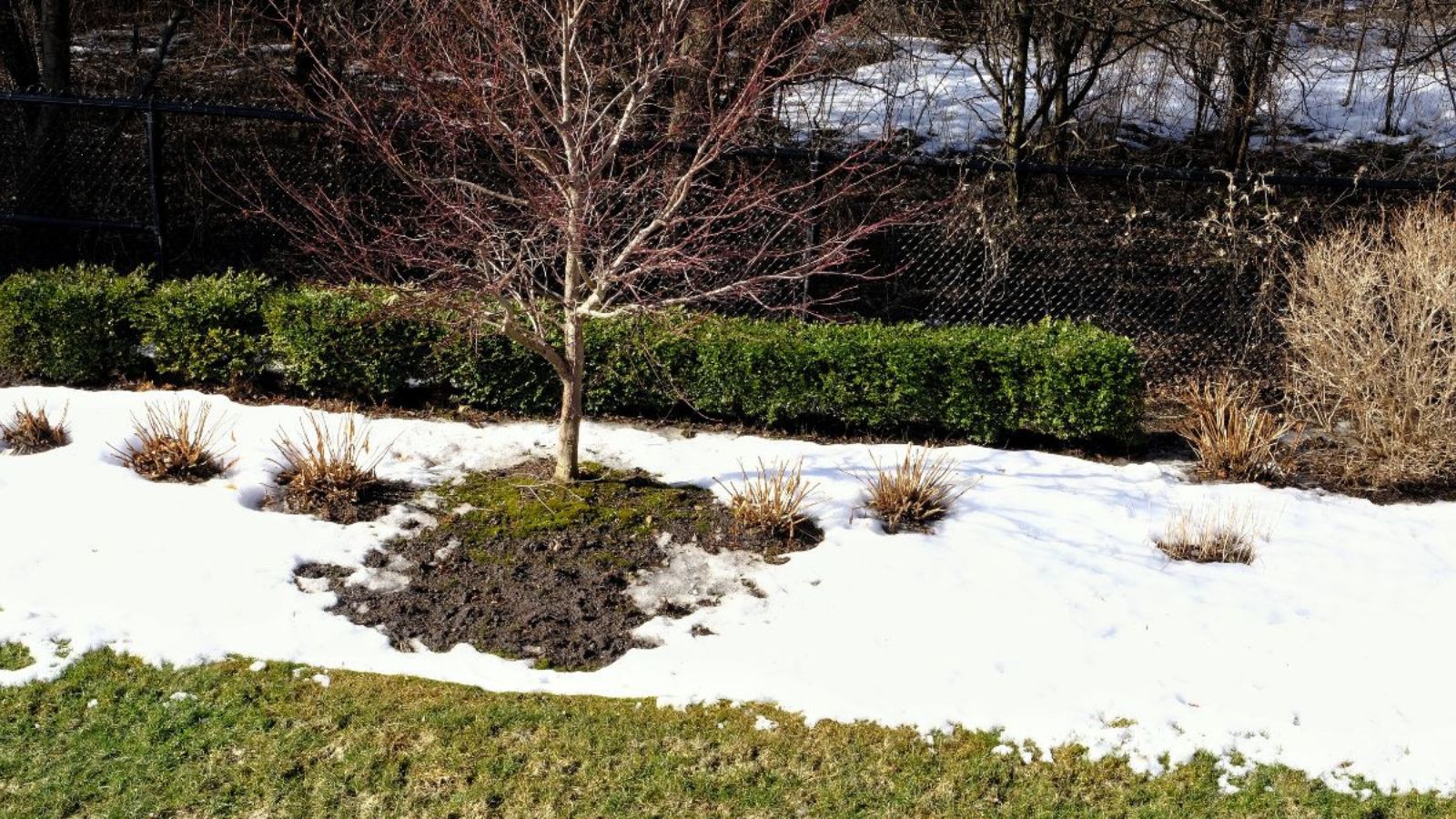
Temperature fluctuations in winter can bring spring-like days that confuse landscape plants, especially in the northern hemisphere. These sudden shifts in weather conditions make plants think it’s time to grow, only for temperatures to drop days later. This back-and-forth can weaken plants, slow growth, and increase the extent of the damage caused by stress.
Plants normally rest during cold temperatures, but brief warm periods followed by frost and freezing can interrupt this cycle. When growth starts too early, plants become more vulnerable once freezing temperatures return.
Understanding temperature fluctuations in winter helps guide proper plant care. Simple steps like mulching the root zone and watering before a freeze can reduce stress and support long-term plant health.
Spring-Like Days in Winter: How Your Landscape Handles Temperature Fluctuations
Understanding Spring-Like Temperature Swings in Winter
Temperature fluctuations in winter sometimes bring warm days that feel out of place. These brief shifts can happen quickly and vary by location, creating short periods of unexpected warmth during the colder months.
Causes of Unusual Warmth During Cold Months
Unusual warmth in winter often happens when air masses move quickly between warm and cold zones. High and low-pressure systems shift and bring warm air up from the south. This rapid change can cause temperatures to rise sharply in just a day or two.
Other factors include wind direction and sunlight. If strong winds blow from warmer areas, temperatures rise faster. Clear skies can boost warming by increasing sunlight during the day. These sudden changes also cause quick snowmelt or frost damage in plants.
Regional Patterns of Winter Temperature Variability
Some areas experience stronger temperature fluctuations in winter than others. Inland regions often see greater extremes, while coastal areas tend to remain more stable.
Valleys may trap cold air, while nearby slopes warm faster, creating uneven exposure for plants. These patterns can cause spotty warm days that feel out of place during winter.
Recent Trends in Climate and Their Impact on Winters
Climate change has increased the frequency and size of these temperature swings. Winters now often have periods of rapid warming followed by quick drops in temperature. This makes it harder for plants and animals to adapt.
These swings also affect snow cover and water supplies. For example, sudden warmth melts snow too fast, leading to ice formation or flooding. Such instability challenges farmers, gardeners, and urban planners who must adapt to these changing conditions.
How Your Landscape Responds to Winter Warmth
Temperature fluctuations in winter affect plants, soil, and pest behavior. Sudden warmth can disrupt natural dormancy and increase vulnerability once cold returns.
Plant Growth and Dormancy Disruption
Warm winter spells can interrupt plant dormancy, the period when growth slows to conserve energy. When temperatures rise too early, woody plants such as trees and shrubs may break dormancy and begin new growth before winter has truly ended.
This early growth is vulnerable when cold weather returns. Buds and young shoots may freeze and turn brown or black, weakening the plant and reducing its ability to recover in spring.
Gardeners should watch for unusual bud swelling or leafing out during warm spells. This signals dormancy disruption and the need for protection against later frost.
Soil Moisture and Nutrient Imbalances
Warm days in winter can quickly alter soil conditions. Higher temperatures increase evaporation, while repeated thawing and refreezing dry soil faster than expected. As soil structure shifts, nutrients may leach away with runoff, leaving plants stressed and reducing nutrient availability when growth resumes in spring.
Managing soil moisture focuses on stability. Mulching helps regulate soil temperature, limit moisture loss, and protect roots from freeze-thaw cycles. Careful watering prevents drought stress without overwatering, and testing soil nutrients before spring helps correct imbalances caused by winter temperature swings.
Pest and Disease Risks from Fluctuating Temperatures
Temperature swings in winter can increase the risks of pests and diseases. Warm spells may cause some insects to become active earlier than normal. This early activity can lead to more pest pressure in spring.
Diseases like fungal infections also gain an advantage if plants are stressed from disrupted dormancy or uneven moisture. Injury from freeze-thaw cycles makes plants more vulnerable to pathogens.
Regular inspection during winter warmth can catch early signs of pest damage or disease. Applying appropriate treatments early reduces the chance of outbreaks in warmer months.
Protective Measures and Landscape Management
Simple, timely actions can reduce plant stress during unpredictable winter conditions:
- Mulch soil surfaces to regulate soil temperature, retain moisture, and buffer roots from sudden temperature swings.
- Prune selectively by removing dead or damaged branches, but avoid heavy pruning during disrupted dormancy to prevent premature growth.
- Adjust watering practices to prevent drought stress while avoiding waterlogged soil during warm spells.
- Use frost cloths or plant covers on cold nights to protect tender buds and shoots exposed by earlier warmth.
- Monitor weather forecasts closely so care measures can be applied quickly when temperatures change.
Staying Ahead of Winter’s Unpredictable Shifts
Winter warmth may be brief, but its effects on the landscape can extend well into spring. Sudden temperature changes can weaken plants long before visible damage appears.
Understanding how plants respond to these shifts allows gardeners to act early and limit stress. Small adjustments made at the right time can prevent lasting injury.
Consistent monitoring and simple maintenance choices help landscapes stay resilient, even when winter conditions remain unpredictable.
Antler Country Landscaping Omaha
Antler Country Landscaping was incorporated in 1997 and, over the years, has grown to offer professional landscape services, lawn care, and outdoor living spaces. Our mission is to enhance your outdoor experience. Contact us to learn more about our Omaha landscaping services.