
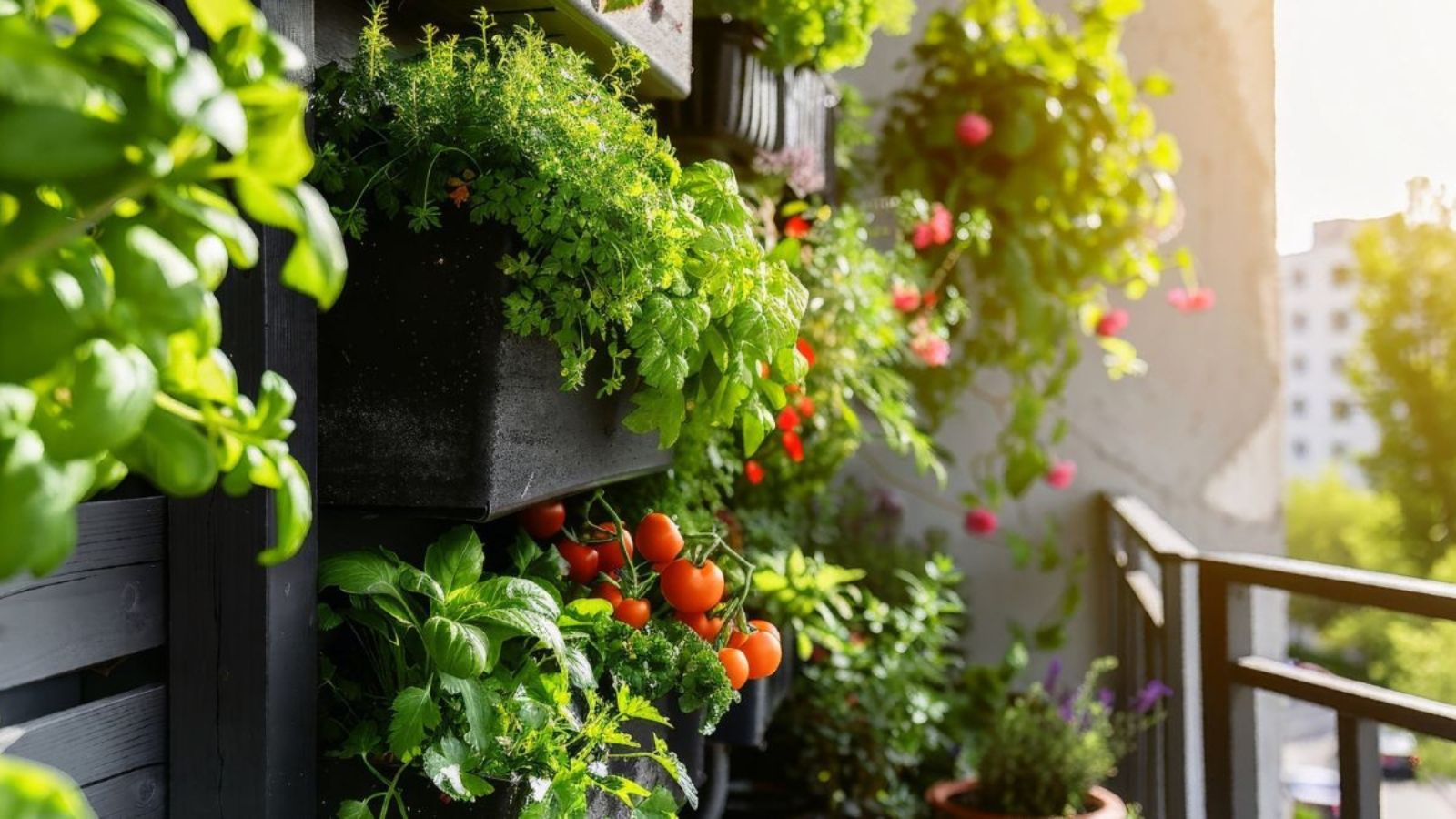
A vertical garden is a landscaping solution that allows plants to grow upward instead of outward, making it ideal for homeowners who want more greenery without sacrificing ground space. These gardens add visual interest, improve privacy, and enhance outdoor living areas while working well in small yards, patios, and urban spaces.
Build vertical gardens using climbing plants, modular wall systems, trellises, or stacked planters. With proper design and irrigation, they support a wide range of plants, including ornamentals, herbs, and even vegetables.
This guide explains how vertical gardens work, the types available, and how they can be designed to fit different outdoor spaces.
Understanding Vertical Gardens
Vertical gardens grow plants upward on walls or structures, saving space and improving light and water use.
What Defines a Vertical Garden?
A vertical garden is a planted system designed to grow plants upward using structural supports rather than traditional ground beds. These systems can be attached to walls, fences, or freestanding frames.
Key components include:
- Support structure – Trellises, panels, fencing, or engineered frames
- Growing medium – Lightweight soil mixes or soilless systems
- Irrigation – Drip irrigation or automated watering systems
- Plant selection – Vining plants, compact perennials, ornamentals, or herbs
Designing a successful vertical garden requires careful consideration of sun exposure, water requirements, and long-term maintenance.
Vertical Gardens vs. Traditional Gardens
Vertical gardens differ from traditional ground-level gardens in how they use space and manage resources.
| Feature | Vertical Gardens | Traditional Gardens |
|---|---|---|
| Plant growth | Upward on walls or structures | Outward in beds |
| Space use | Ideal for small yards and patios | Requires open ground |
| Privacy | Creates living screens | Limited screening |
| Water control | Often uses drip irrigation | Standard watering |
| Maintenance | Requires routine pruning and checks | More spread out |
These gardens are especially useful where space is limited or where homeowners want greenery without losing usable yard area.
Types of Vertical Gardens for Outdoor Spaces
Vertical gardens can be customized based on location, design goals, and maintenance preferences.
Outdoor Vertical Gardens
Outdoor installations are commonly used to add privacy, soften hard surfaces, or create focal points.
Common structures include:
- Trellises and wire systems for climbing plants
- Fence-mounted panels
- Retaining wall integrations
- Freestanding garden walls
Popular plant choices include:
- Vines such as clematis or honeysuckle
- Ornamental grasses and perennials
- Herbs and compact vegetables
Outdoor gardens require proper drainage, adequate sun exposure, and efficient irrigation to thrive.
Living Walls vs. Green Facades
| Feature | Living Walls | Green Facades |
|---|---|---|
| Structure | Modular panels with soil | Trellises or wire systems |
| Maintenance | Higher | Lower |
| Visual impact | Dense, decorative | Natural coverage |
| Best use | Accent walls, patios | Privacy screens, fences |
Both options can be designed to fit residential landscapes depending on style and budget.
Benefits of Adding a Vertical Garden
Vertical gardens offer both functional and aesthetic benefits:
- Add privacy without fencing
- Enhance curb appeal and outdoor design
- Improve air quality around living spaces
- Reduce heat on exterior walls
- Expand planting space in small yards
- Create natural backdrops for patios and outdoor kitchens
- Support pollinators and local wildlife
When installed with care, vertical gardens integrate seamlessly into the overall landscape.
Popular Vertical Garden Design Techniques
Landscape designers use several methods depending on plant type and space:
- Trellises and wire systems for climbing plants
- Modular panels for flexible layouts
- Pocket systems for lightweight installations
- Mixed designs combining climbers and planted panels
Grouping plants by water and sunlight needs helps keep maintenance manageable and ensures long-term success.
How to Get Started With a Vertical Garden
Begin with careful planning to create a thriving vertical garden:
- Evaluate sun exposure and wind conditions
- Choose plants suited to the site
- Plan irrigation to avoid water runoff or dry spots
- Ensure easy access for pruning and upkeep
- Integrate the garden into the overall landscape design
Hiring a professional can help avoid common issues, such as poor drainage, plant failure, or structural stress.
Antler Country Landscaping Omaha
Antler Country Landscaping was incorporated in 1997 and, over the years, has grown to offer professional landscape services, lawn care, and outdoor living spaces. Our mission is to enhance your outdoor experience. Contact us to learn more about our Omaha landscaping services.
