
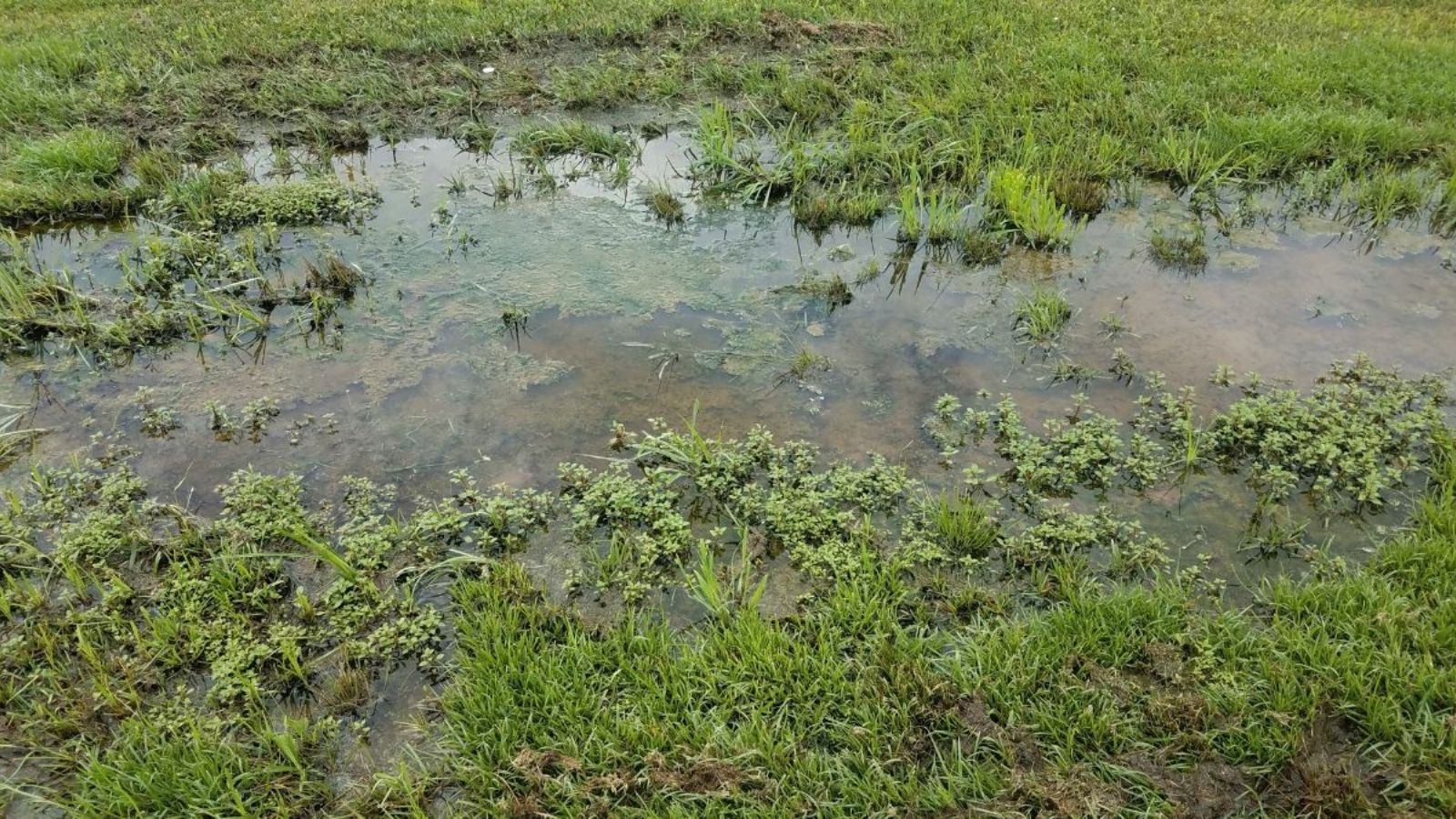
Yard drainage problems make it hard to enjoy a dry, usable lawn, as water keeps pooling, no matter what plants or mulch you add. Many landscapes hide deeper issues like poor soil, incorrect slope, or clogged drainage paths that simple landscaping alone cannot fix. In Omaha, heavy clay soil and spring storms make these problems more common.
If the ground, grading, or underground pipes don’t move water away, adding plants or topsoil only treats the symptom, not the cause. Homeowners may notice soggy spots and try quick fixes, yet the real issues often lie below the surface.
This guide covers the core reasons yards fail to drain properly and explains why landscaping alone usually cannot solve them, helping homeowners choose repairs that actually work.
Why Some Yards Never Drain Properly (And Why Landscaping Alone Doesn’t Fix It)
Core Reasons for Yard Drainage Problems
Water often sits because the soil won’t absorb it, the groundwater level is high, or the yard slope sends water toward low spots. These three problems interact and usually need fixes beyond just planting or mulch, which is why many yard drainage problems persist.
Soil Composition and Compaction
Soil with lots of clay holds water like a sponge and drains slowly. Heavy clay layers stop infiltration, so rain and irrigation sit on the surface and form puddles.
Compacted soil from construction, frequent foot traffic, or heavy equipment reduces pore space. Roots can’t grow well in compacted soil, which worsens drainage over time.
Common signs include hard, dry crusts between rains, shallow turf roots, and slow absorption when testing with a garden hose. Solutions focus on loosening the soil and improving texture: core aeration, adding compost or other organic matter, and planting deep-rooted species to break up dense layers.
High Water Table and Local Hydrology
A high water table means the soil is saturated near the surface much of the year. When groundwater sits just below the lawn, excess rain has nowhere to go and pools on top.
Local factors raise the water table: nearby streams, wetlands, seasonal snowmelt, or poor subsurface drainage. Even a well-graded yard can stay wet if the groundwater stays high.
Signs include spongy ground, water seeping from shallow holes, and persistent wet spots after dry spells. Fixes often require draining or redirecting groundwater, such as installing sub-surface drains, dry wells, or connecting to a storm system, rather than surface landscaping alone.
Poor Grading and Landscape Slopes
If the yard slopes toward the house or has low pockets, water will collect there. Proper grading moves water away from structures and toward safe discharge points.
Common grading issues: flat areas with no slope, berms that trap water, and positions of hardscaping that block flow. Even minor depressions can hold many gallons after storms.
Signs include consistent puddles in the same spots and water staining on foundations or exterior walls. Corrective work includes simple regrading, adding swales, and installing French drains or catch basins that capture and move water to a safe outlet.
Why Landscaping Solutions Alone Are Not Enough
Landscaping can help surface water move away from problem spots, but it often misses hidden causes like compacted soils, underground flow, and poor grading that redirect water back into the yard. Fixing visible issues without addressing those hidden factors usually leaves yard drainage problems unresolved.
Limits of Conventional Drainage Methods
Traditional fixes, including raised beds, mulch, simple regrading, and adding surface swales, move water short distances. They work when water sources are local, and soil drains reasonably well.
These methods fail when the soil is heavy clay or the yard sits in a low-lying basin. Clay soils hold water and slow percolation, while a shallow slope can let water pool despite new features.
Simple additions also do nothing for recurring runoff from neighbors, roof downspouts that dump near foundations, or groundwater that pushes up from below. Without changing soil structure, creating deeper channels, or redirecting external flows, surface landscaping only masks symptoms.
Subsurface Water Issues
Subsurface water comes from shallow groundwater, perched water tables, or redirected flow under hard surfaces. It can saturate soil from below and feed standing water even on a sunny day.
Signs include soggy spots that return after drying, persistent puddles in low areas, or patches of turf that stay wet while surrounding areas dry.
Solving subsurface issues often requires testing soil percolation, checking nearby storm lines for blockages, and mapping how water moves under the surface. Techniques like soil amendment, deep tilling, or installing subsurface drains directly address these hidden sources rather than just reshaping the top layer.
When Professional Drainage Design Is Required
A professional evaluates grade, soil type, neighbor runoff, foundation risks, and local stormwater paths. They use tools such as laser grading, percolation tests, and drainage flow models to plan fixes that last.
Recommended fixes may include French drains, catch basins tied into storm sewers, or regrading that changes the yard’s overall crown and pitch. They can also coordinate permits if work affects public storm lines.
Hiring a pro avoids repeated DIY attempts that add cost and do not solve root causes. For properties with chronic wetness, structural risks, or complex neighboring runoff, design-backed solutions prevent future damage and reduce maintenance, effectively resolving persistent yard drainage problems.
What Makes Yard Drainage Harder in Omaha
Most of the metro sits on heavy, clay-rich soil that soaks up water slowly. When a spring storm drops an inch or two of rain in an afternoon, the ground cannot keep up and the water runs to the lowest point in the yard.
Newer neighborhoods add another layer to the problem. Subsoil is often compacted during construction and covered with only a thin layer of topsoil, so lawns stay wet even when the grading looks right. Winter freeze-thaw cycles can also shift soil and settle low spots a little more each year.
For steps you can take before the next storm, read our post on how to prepare a yard for heavy rain. Homeowners on sloped lots can also see our guide to stopping yard flooding and erosion in Elkhorn.
Common Drainage Fixes and When Each One Works
The right fix depends on where the water comes from. These are the solutions used most often on residential lots:
- Regrading reshapes the surface so water runs away from the house. It works best when the yard is flat or slopes the wrong way.
- A French drain is a gravel trench with a perforated pipe that collects water below the surface. It suits soggy areas fed by groundwater or a neighbor’s runoff.
- A catch basin takes in standing water at a low spot and pipes it to a safe outlet.
- Downspout extensions carry roof water clear of the foundation and are often the least expensive first step.
- A swale or dry creek bed is a shallow channel that moves surface water across the yard during a storm.
- A retaining wall with drainage behind it holds a slope in place and controls the water that collects there.
Once the water has somewhere to go, thin or bare turf in the old wet spots can be repaired with seed or new sod. Sprinkler schedules are worth a check too, since overwatering keeps clay soil saturated. Our guide to patch repair vs. overseeding covers the lawn repair side.
Antler Country Landscaping Omaha
Antler Country Landscaping was incorporated in 1997 and, over the years, has grown to offer professional landscape services, lawn care, and outdoor living spaces. Our mission is to enhance your outdoor experience. If water keeps collecting in the same spots, we can walk your property and recommend a fix that fits the yard. Contact us to learn more about our Omaha landscaping services.