
Winter weather can be tough on a landscape, causing damage to plants, trees, and hardscape. Proper care before and during the cold months helps protect these investments and keeps the yard healthy. Taking steps like adding mulch, wrapping sensitive plants, and clearing debris strengthens a landscape against winter stress.
Maintaining hydration and pruning dormant trees in the fall are also key to preventing damage. These actions reduce the risk of disease and promote stronger growth when spring arrives. Landscapes that are prepared for winter often recover faster and require less repair later.
By focusing on simple but effective winter landscape care techniques, property owners can protect the value and beauty of their outdoor spaces through the colder season. This ensures that the effort put into landscaping continues to pay off year-round.
Protecting Your Investment: Winter Landscape Care Tips
Essential Steps for Winter Landscape Care
Proper winter landscape care involves preparing the soil, protecting plants, maintaining the lawn, and readying irrigation systems for freezing conditions. These actions help prevent damage and promote healthy growth in the spring.
Preparing Soil and Mulch
Soil should be loosened to improve aeration and help water drain properly during winter. Adding a layer of mulch, about 2-3 inches thick, insulates the soil. Mulch also reduces temperature fluctuations and prevents soil from freezing and thawing repeatedly.
Using organic mulch like shredded bark or leaves is best because it breaks down and enriches the soil over time. It also protects plant roots and helps retain moisture. Avoid piling mulch too close to plant stems to prevent rot.
Before adding mulch, clear away fallen leaves and debris. This prevents mold growth and pests that could harm plants during winter.
Protecting Trees and Shrubs
Young trees and shrubs are more vulnerable to winter damage from cold, wind, and snow. Wrapping trunks with tree guards or burlap shields stops bark from cracking and prevents winter sunscald.
Pruning dead or weak branches before the cold season reduces the chance of breakage under snow and ice weight. However, avoid heavy pruning late in the season as it can stimulate new growth that is not hardy.
Applying anti-desiccant sprays can help evergreens retain moisture and resist drying winds. Secure taller shrubs with stakes if needed to protect them from wind damage.
Lawn Maintenance Strategies
Lawns should be mowed one last time before winter begins, leaving grass about 2 to 2.5 inches high. Cutting too short exposes roots and soil to cold and frost, increasing damage risk.
Clear fallen leaves and debris from the lawn to prevent fungal diseases. Aerating the soil in fall also improves root health by reducing compaction and allowing better nutrient absorption.
Applying a winter fertilizer high in potassium strengthens roots and improves the lawn’s tolerance to cold weather. Avoid excessive nitrogen late in the season, as it encourages tender growth prone to frost damage.
Irrigation System Preparation
Draining irrigation systems before freezing temperatures arrive prevents pipe and sprinkler damage due to ice expansion. This includes shutting off valves and blowing out water lines with compressed air if possible.
Disconnect garden hoses and store them indoors. Cover above-ground backflow preventers with insulating materials like foam or blankets to protect against frost.
Check timers and controllers and switch them to “off” or “winter” mode to avoid accidental watering. Preparing irrigation systems properly reduces repair costs and preserves landscape health during the winter months.
Safeguarding Hardscape and Outdoor Features
Proper care before and during winter helps prevent costly damage to outdoor hardscape and garden features. This includes taking steps to protect patios, walkways, garden structures, furniture, and water features from the effects of freezing temperatures, moisture, and ice.
Preventing Winter Damage to Patios and Walkways
Patios and walkways are prone to cracking and surface damage during freeze-thaw cycles. Cleaning these surfaces thoroughly before winter removes dirt and debris that can trap moisture. Applying a high-quality sealant designed for cold weather helps reduce water absorption and protects against ice damage.
It is important to avoid using rock salt or harsh chemical de-icers. These can cause surface erosion or staining. Instead, homeowners should choose calcium magnesium acetate or sand for traction without damaging materials.
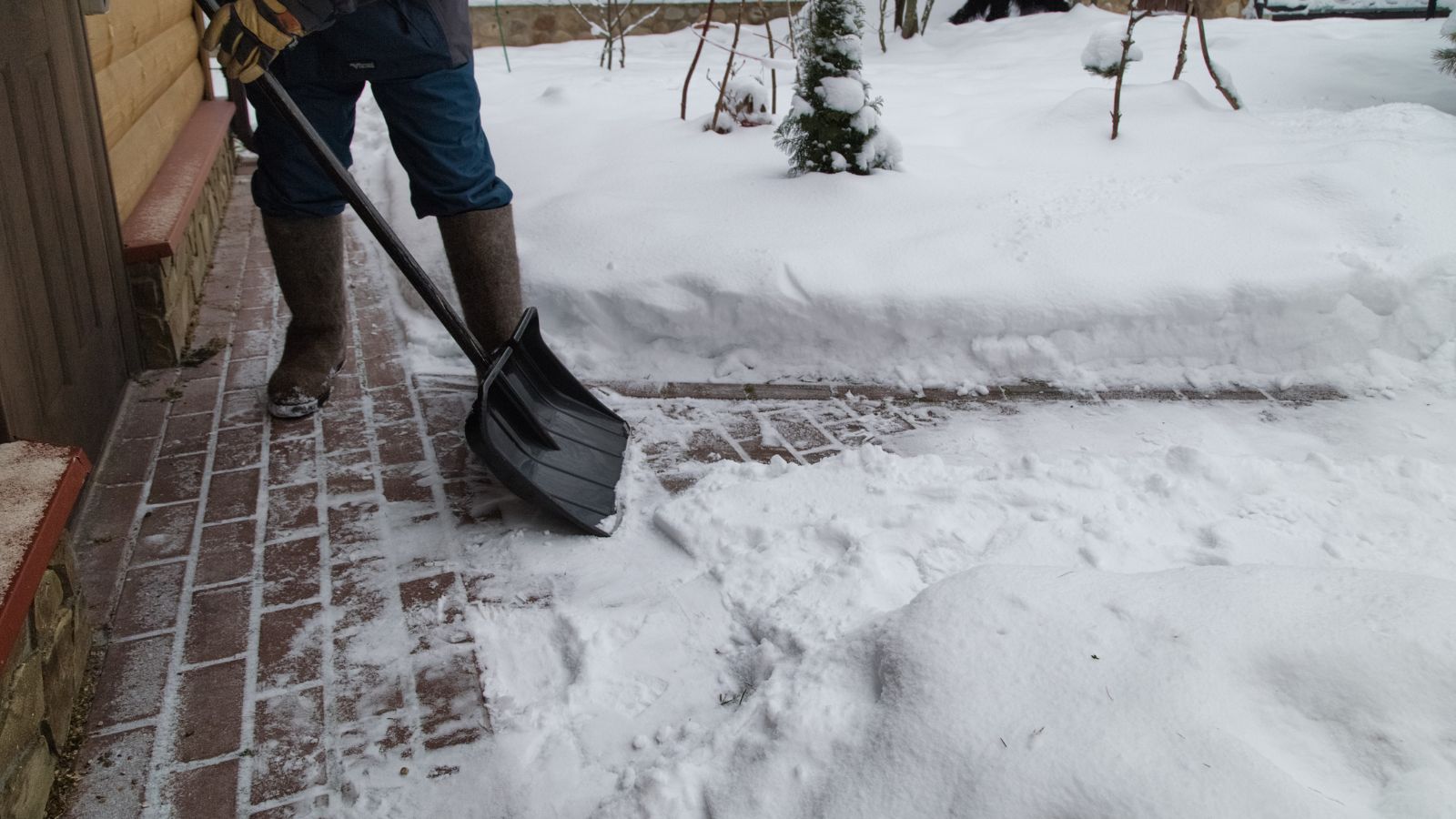
Regularly clearing snow and ice promptly prevents buildup that can freeze into hard layers. Using plastic shovels or snow blowers avoids scraping surfaces, which could weaken them over time.
Garden Structures and Furniture
Movable garden items like statues, benches, and decorative pieces should be brought indoors if possible. This prevents damage from extreme cold and moisture. For structures that stay outside such as pergolas or trellises, inspecting for loose nails and sealing exposed wood reduces water infiltration and rot.
Covering outdoor furniture with waterproof, breathable covers helps prevent mold and warping. Avoid plastic sheets that trap moisture under them, as this encourages decay. Wooden and metal furniture may benefit from light sanding and protective coatings before the first freeze.
Water Feature Protection
Water features require special care since freezing water can cause cracks in pipes, pumps, and basins. Draining all water before freezing temperatures arrive prevents ice expansion that damages components. If complete drainage is impossible, adding non-toxic antifreeze designed for fountains can help.
Pumps and filters should be removed and stored indoors unless rated for winter use. Covering the feature with a fitted tarp keeps debris out while allowing airflow. Checking drains and overflow areas for blockages before winter helps ensure proper drainage and prevents water from pooling and freezing.
Long-Term Landscape Health in Cold Climates
Maintaining a healthy landscape during winter requires thoughtful plant choices, careful pruning, and ongoing pest and disease monitoring. These actions protect plants from cold damage and ensure they return strong in the spring.
Selecting Winter-Resilient Plants
Choosing plants that can endure cold weather reduces the risk of damage during winter. Evergreens like arborvitae, juniper, and holly provide year-round greenery and can tolerate frost and snow.
Deciduous shrubs and perennials that go dormant also help landscapes recover faster in spring. Native plants adapted to local climate conditions are generally the best choice for winter resilience.
It is important to avoid tender tropical plants or those sensitive to frost unless winter protection is planned. Cold-hardy varieties improve the chances of long-term survival and limit costly replacements.
Proper Pruning Techniques for Winter
Pruning before winter helps prevent damage from heavy snow and ice on branches. Removing dead, broken, or crossing branches reduces places where moisture and pests can gather.
Timing is key: most pruning should be done in late fall after plants enter dormancy but before heavy snow arrives. This encourages healthy growth when temperatures rise.
Avoid heavy pruning of spring-flowering plants in winter; it can reduce blooms. Instead, focus on clearing damaged wood and maintaining shape.
Monitoring for Pests and Diseases
Cold weather does not stop all pest and disease threats. Some insects and fungi survive winter and can harm weakened plants.
Regular inspection of bark, branches, and leaves (if any) can spot early signs of trouble. Look for unusual discoloration, holes, or sticky residues.
Applying dormant oils or fungicides in late fall can reduce some risks. Addressing problems early limits damage and supports plant health into the growing season.
Antler Country Landscaping Omaha
Antler Country Landscaping was incorporated in 1997 and, over the years, has grown to offer professional landscape services, lawn care, and outdoor living spaces. Our mission is to enhance your outdoor experience. Contact us to learn more about our Omaha landscaping services.